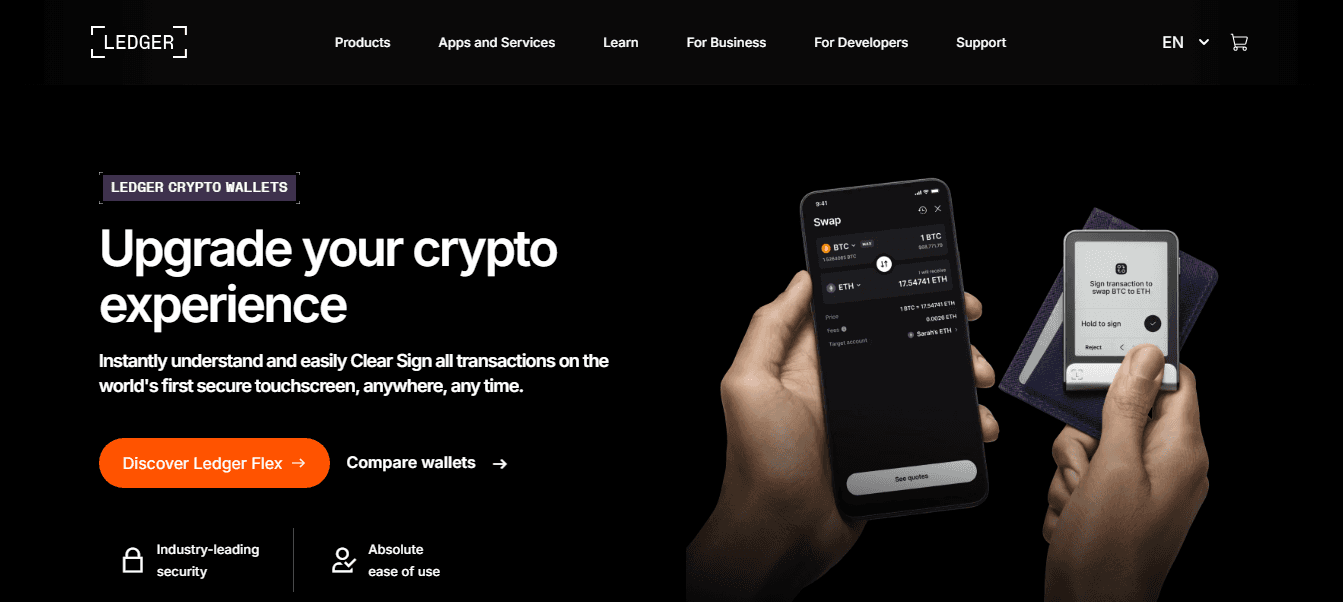
Ledger Login: A Complete 1200-Word Guide to Accessing and Securing Your Ledger Wallet
Managing cryptocurrency securely begins with using a trusted hardware wallet, and Ledger stands out as one of the most widely adopted solutions worldwide. Whether you are a new user setting up your device for the first time or a returning investor trying to access your portfolio, understanding the Ledger login process is essential. This guide breaks down everything you need to know—how Ledger authentication works, how to log in safely, common issues and fixes, and best security practices.
1. What Is Ledger and Why Does the Login Process Matter?
Ledger is a hardware wallet company known for devices like the Ledger Nano S Plus and Ledger Nano X. These devices store the user’s private keys offline, making them significantly safer than software wallets or online exchanges that remain connected to the internet.
Because Ledger devices never expose private keys to online environments, the traditional concept of “logging in” is slightly different from what you may be used to. Instead of using a username or password, access is based on:
Your Ledger hardware device
Your PIN code
The Ledger Live app (desktop or mobile)
A recovery phrase (for restoring wallets, not logging in)
Understanding this login workflow is crucial for maintaining full control over your digital assets and avoiding scams.
2. How Ledger Login Works
Ledger login is essentially the process of:
Unlocking your Ledger device with your PIN.
Opening Ledger Live and allowing it to verify your device.
Accessing your portfolio, accounts, and transaction features within the app.
The security behind this process ensures that even if someone accesses your computer or Ledger Live app, they cannot reach your funds without the physical device and PIN.
3. Step-by-Step Guide: How to Log In to Ledger Using Ledger Live
Follow this simple walkthrough to log in to your Ledger account securely:
Step 1: Connect Your Ledger Device
Plug your Ledger Nano X or Nano S Plus into your computer using the USB cable.
If you are using Ledger Nano X via Bluetooth (mobile only), ensure Bluetooth is enabled on your phone.
Step 2: Turn On the Device and Enter Your PIN
The device will prompt you for your 4–8 digit PIN code.
This PIN is essential for login—there is no alternative access method without it.
Step 3: Open Ledger Live
Launch the Ledger Live app on your desktop or mobile device.
If you haven’t installed Ledger Live yet, download it from the official site only.
Step 4: Allow Ledger Live to Verify Your Device
Ledger Live will check the device’s authenticity using Ledger’s Secure Element chip.
This ensures the hardware has not been tampered with.
Step 5: Access Portfolio and Accounts
Once verified, Ledger Live will display your dashboard, showing balances, accounts, portfolio value, and market data.
You can now send, receive, or stake crypto depending on which assets you manage.
4. Ledger Login vs. Ledger Recovery Phrase: Understanding the Difference
Many new users confuse the PIN, device login, and recovery phrase.
Here’s how they differ:
🔹 PIN Code
Used to unlock your device.
Required for every login.
Must remain private.
🔹 Ledger Login (via Ledger Live)
Requires the device + PIN.
Enables you to access and manage your accounts.
🔹 24-Word Recovery Phrase
Used only to restore wallets on a new Ledger device.
Should NEVER be entered on any website, app, or computer.
If someone gains your recovery phrase, they gain your crypto.
Ledger will never ask for your recovery phrase during login.
5. Common Ledger Login Issues and How to Fix Them
Even though the Ledger login process is user-friendly, you may occasionally run into problems. Below are the most common issues and their solutions.
Issue 1: Ledger Device Not Recognized by Ledger Live
Fixes:
Try a different USB cable or port.
Restart Ledger Live.
Unlock the device before opening the app.
Ensure drivers are updated (Windows users).
Issue 2: Incorrect PIN or Too Many Attempts
Ledger devices allow only a limited number of PIN attempts.
If you enter the wrong PIN repeatedly, the device will reset.
Solution:
If reset occurs, restore using your 24-word recovery phrase.
Double-check that you are using the correct PIN to avoid data loss.
Issue 3: Ledger Live Won’t Open or Crashes
Fixes:
Update Ledger Live to the latest version.
Clear cache inside Ledger Live settings.
Reinstall the app (this does not affect your assets).
Issue 4: Ledger Live Cannot Access Accounts
Sometimes syncing issues occur.
Fixes:
Update the firmware on your Ledger device.
Ensure the specific coin app is installed on your device.
Refresh accounts within Ledger Live.
6. How to Secure Your Ledger Login Sessions
The best part about using Ledger is its strong security, but users must play their part too.
Here are essential practices to protect your Ledger login:
1. Never Share Your PIN or Recovery Phrase
Your PIN unlocks the device, and your recovery phrase controls your crypto.
Treat both like your most valuable secret.
2. Only Download Ledger Live from the Official Ledger Website
Fake apps are common in the crypto space.
3. Check for Browser Phishing
Ledger login does not happen in a browser.
If a website asks for your recovery phrase, it is a scam.
4. Keep Firmware Updated
Updates patch vulnerabilities and improve compatibility.
5. Store Your Recovery Phrase Offline
Use fireproof steel plates or a secure offline location, never cloud storage or digital notes.
7. Ledger Login on Desktop vs. Mobile: What’s the Difference?
Both versions of Ledger Live offer similar functionality, but each has slight differences.
Ledger Live Desktop
Recommended for advanced users.
Better for staking, DeFi, and large portfolios.
Larger interface for portfolio management.
Ledger Live Mobile
Ideal for quick balance checks.
Nano X can connect via Bluetooth (secure and encrypted).
Convenient for transactions on the go.
Regardless of the device, the login process remains the same—physical Ledger + PIN + Ledger Live.
8. Tips for a Smooth Ledger Login Experience
To ensure your daily crypto management goes smoothly, follow these best practices:
Keep your USB cable and ports clean and functioning.
Regularly back up your recovery phrase.
Turn off Bluetooth when not using Ledger Nano X.
Close unnecessary background apps before opening Ledger Live.
Keep your operating system updated.
These simple steps prevent most login problems and make your experience smoother.
9. Why Ledger Login Is More Secure Than Traditional Account Logins
Traditional logins use a username, password, and sometimes 2FA.
While this may seem secure, passwords can be leaked, and online accounts can be hacked.
Ledger login, however, uses:
Offline private key storage
Hardware-based authentication
PIN-protected access
Physical device verification
This makes Ledger one of the most secure ways to store cryptocurrencies.
Even if someone gains access to your Ledger Live account or computer, they cannot move your crypto without the physical Ledger wallet.
10. Final Thoughts on the Ledger Login Process
The Ledger login process is designed to balance accessibility with world-class security.
By understanding how to connect your device, enter your PIN, use Ledger Live safely, and protect your recovery phrase, you ensure that your digital assets remain fully under your control.
Whether you’re a beginner exploring crypto for the first time or an experienced trader managing a diverse portfolio, mastering Ledger login is a must.
With the right practices, Ledger remains one of the safest and most reliable ways to manage cryptocurrency in today’s digital world.